
 Weather
  Webcams
  Attractions
  Gastronomy
  Tours
Tours  Events
 Rundwanderung zum Blausee
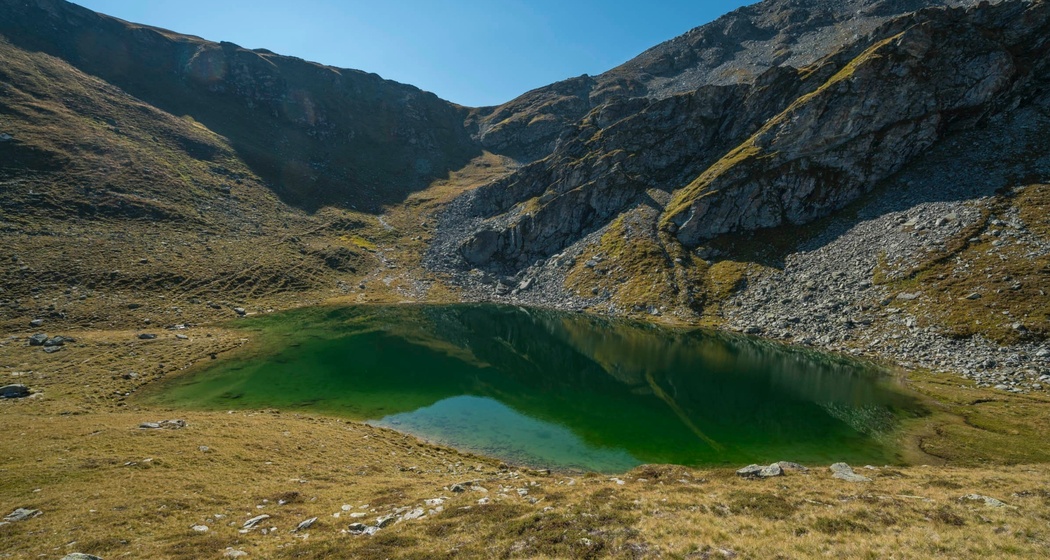
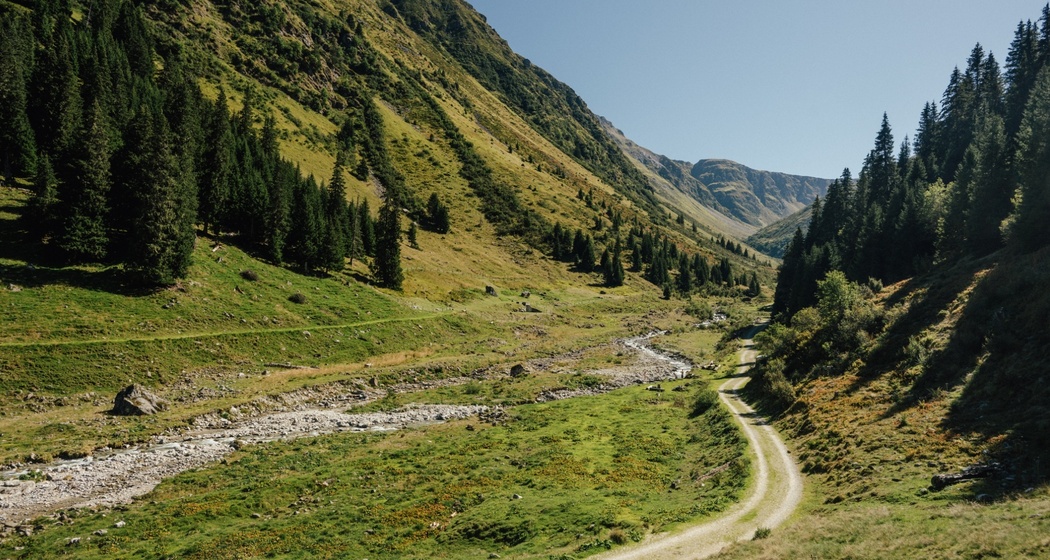
Show all 8 images
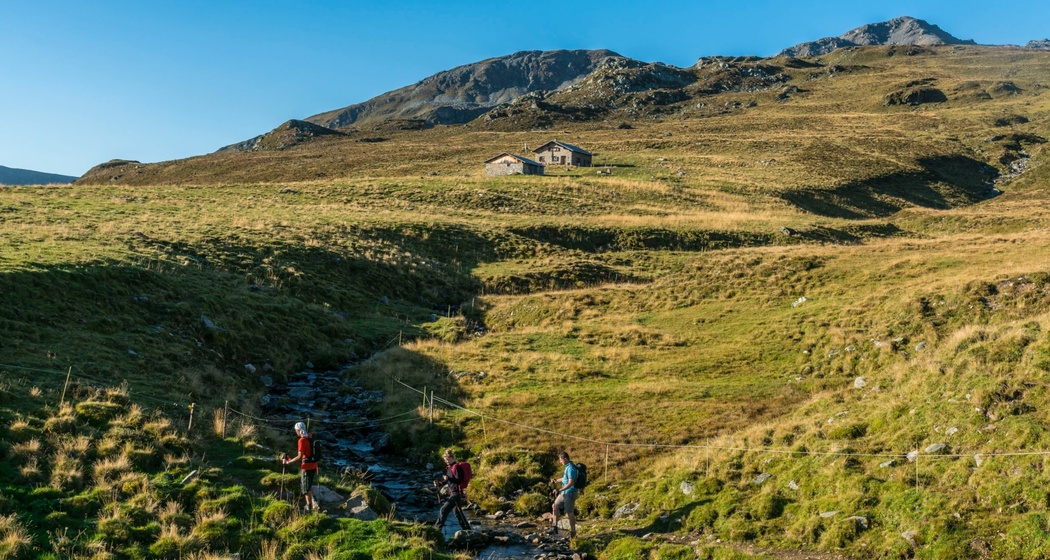
Below the Val Gronda, somewhat hidden, lies the Blausee. With its blue-turquoise colour and located at over 2,300 m above sea level, it is the perfect destination for the hot summer days.
Details
Description
From Tscharbach, the path leads along an alpine path towards Inneralp to Chrizbial. From there it goes a short distance in the direction of Vorderalp. Then it goes up and via Talchepf below Titschal and Piz Lad over to the Blausee. After a well-deserved rest at the Blausee, there is a short steep section, up to the saddle, from where it goes down to the Oberhitta. From there, head out of the valley along an alpine path back to the Lumbreiner Bridge. Shortly before the Lumbreiner Bridge, at the Falmenboda, the Tscharbach invites you to take another leisurely rest by the water.
Hidden Gem
For the sporty ones, it is worth taking a detour to the Titschal, from where you have a wonderful view.
There are rarely fountains to fill up the bottle along the way. There are no places to stop for refreshments. Therefore, please bring your own food.
Safety Note
In uncertain weather conditions, the tour should not be started. Weather changes in the mountains are frequent. If a rain front or similar comes up during the hike, you should turn back in time.
Equipment
Good hiking boots with a good profile, weather-adapted clothing (rain jacket), ev. Change of clothes, first aid kit, drink, food, ev. Hiking poles.
Directions
Lumbreiner Bridge - Chrizbial - Talchepf - Blausee - Sattel - Oberhitta - Lumbreiner Bridge
Directions
Public Transport
Take the post bus to St. Martin. From there, it is about a 1.5-hour walk along the road to Lumbreiner Brücke.
Travel Information
Attention: For the road to the Lumbreiner Brücke car park, a driving permit from the municipality of Obersaxen Mundaun is required. This can be conveniently purchased via the municipality's website or via Easy Park (parking zone 218). A one-day permit costs CHF 5.
Parking

Responsible for this content: Surselva Tourism.
This content has been translated automatically.

This website uses technology and content from the Outdooractive platform.