
 Weather
  Webcams
  Attractions
  Gastronomy
  Tours
Tours  Events
 Public Facility Viamala
Neues Zollhaus
Description
This building shows that borders and customs duties have long been part of the everyday life of the
Alpine traffic. At the beginning of the 20th century, the Confederation established
here a new customs house. The officers inspected goods,
fees and monitored border traffic. At the same time, they lived with
their families directly in the building. The customs house was not only to be practically
but also represent the Swiss state. That's why it's
more stately than many other houses in the area. This is further enhanced by the
fact that in Splügen in the economically difficult years
from the end of the 19th century until after the Second World War
was built.
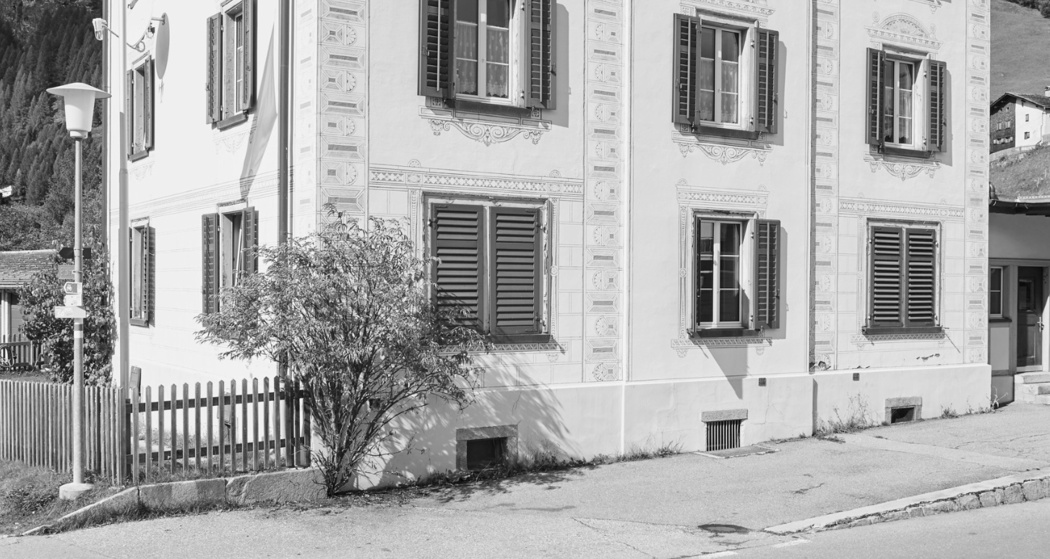
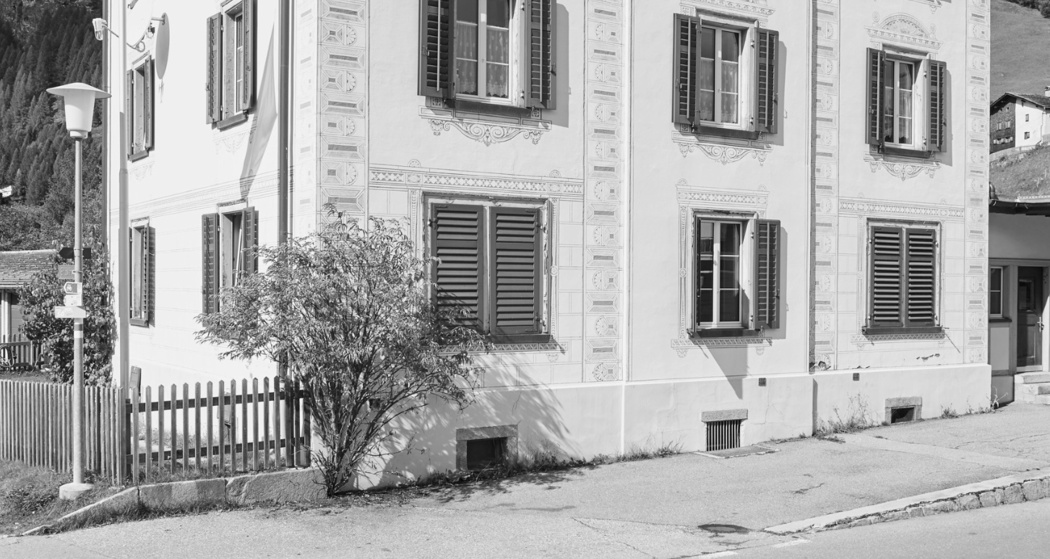
The decorative decorations on the façade are particularly striking. They
were executed using the sgraffito technique. Patterns and
Ornaments exposed by scratching and scratching from a light layer of plaster,
so that the darker plaster becomes visible. The technology comes from
originally from Italy and was active from the 16th to the 18th century, especially in the
Engadin and the adjacent valleys. On this building
however, the sgraffito is rather atypical of the location and not an expression of the
traditional Graubünden architecture: the opulent Renaissance style
Façade design with accentuated building corners, windows and gables will follow
rather the ideas of historicism and the ideas of the
Architects Gottfried Semper. It shows how
international architectural movements in the 19th century also in Graubünden
were reflected. When you're standing in front of the customs house today, it's hardly
it is conceivable how many people, goods and stories stopped here.
For many travelers, an adventurous experience began or ended here.
Audio Guide
Map
Neues Zollhaus
Responsible for this content: Viamala Tourism.
This content has been translated automatically.

This website uses technology and content from the Outdooractive platform.