
 Weather
  Webcams
  Attractions
  Gastronomy
  Tours
Tours  Events
 Event Valposchiavo
Pasticcieri grigionesi e valposchiavini in Italia
Description
If there is a large crowd, a second book presentation will take place at 4:15 p.m.
Presentation of the book "La dolce vita" (2026) by the author and journalist Lorenzo Cresci. The event will tell the story of Graubünden pastry chefs on the Italian peninsula through the most important events and activities, with a special focus on emigration from Poschiavo.
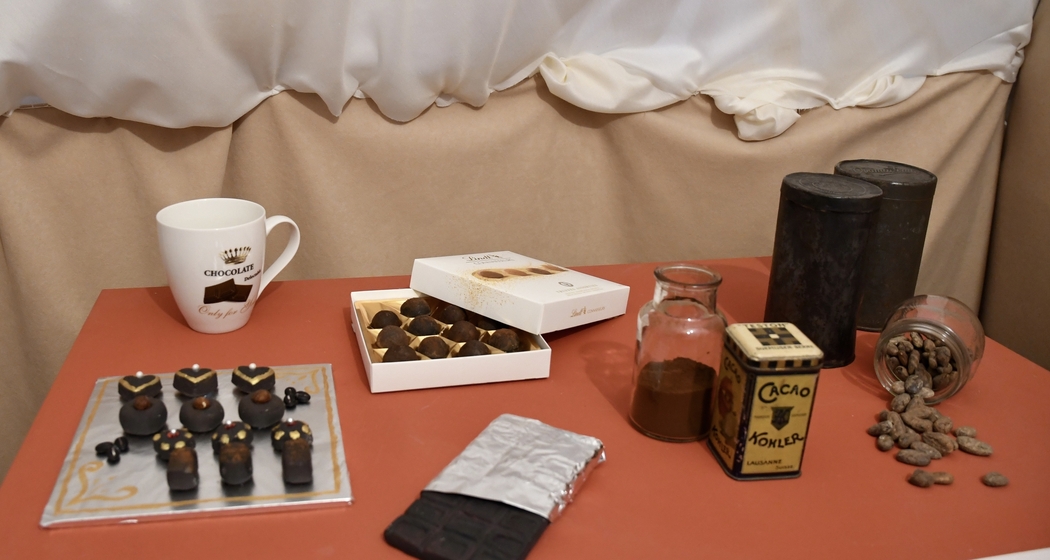
Many Graubünden confectioners have also worked in neighbouring Italy. This is still proven today by melodious names such as those of the Defilla in Chiavari (Liguria), the Café Gilli in Florence or the Café Sandri in Perugia. Others only exist in memory or are known from hearsay. Lorenzo Cresci, an Italian journalist who works for the restaurant magazine "Il Gusto" of the newspaper "La Repubblica", has traced this chapter of Italian immigration history. In a book, he traces a mosaic of the business activities of Graubünden confectioners in Italy, city by city. On 22 August, Lorenzo Cresci will be a guest at the Museo poschiavino (Palazzo de Bassus-Mengotti) and will present the book - in keeping with the current special exhibition "Confectioners - Poschiavo Adventures in Europe".
After a conference in September 2025, during which the traces of emigrated Graubünden confectioners were traced in various European countries, this year the focus will be on their work in neighbouring Italy, an aspect that we have not yet shed light on in our stories about emigration.
Cultural diversity and many individual stories together form a fascinating whole: the Graubünden confectioners formed a movement that still exists today in memory and in Swiss museums, but which has never been comprehensively and systematically illuminated in Italy itself.
Between the 18th and 20th centuries, thousands of new pastry shops opened and made pastries and sweets popular even outside the noble palazzi. And most of these farms had one thing in common: their Swiss origins. In 1848, 27 out of 68 coffee houses in Florence alone were under Graubünden management, and in Trieste as many as 21 out of 37.
The "confectioners" did not limit themselves to baking sweet pastries or processing milk in them. They were masters in bringing epochal innovations into their field and constantly using new secret ingredients. They needed butter, added coffee to their desserts, or produced liqueurs and beers with herbs. They also invested in the appearance of their businesses, for example in expansive showcases or elegant marble tables. Futurism was born in Café Gilli in Florence, and in other cities the coffee houses were meeting places for Mazzini's liberal movement "Giovine Italia".
Caflisch in Naples, Caviezel in Catania, the elegant Roman coffee houses, Swiss businesses in Massa and Carrara, the Klainguti family in Genoa: this past history still lives on today, for example in the Helvetia cake in Mantova, in the "Cupid" of Pontremoli and Borgotaro; it remains alive in the descendants of the founders, who are already running the businesses in the fourth or fifth generation. It began in the past, but the sweet heart of the people of Graubünden still beats today.
Lorenzo Cresci calls this period of revolutionary upheaval "La dolce vita"/"The sweet life" – because it is about cakes, chocolate and ice cream, but also about coffee and liqueur. And from this, the story of a journey through Italy by "the Swiss" can be derived, which began in the past and still lives on today in many Swiss coffee houses.
The book "La dolce vita. Un popolo di pasticceri e il loro sogno rivoluzionario" (MultiVerso Editions, with a foreword by Iginio Massari) will present author Lorenzo Cresci and publisher Mario Cucci in the "stüa bella" of the Palazzo de Bassus-Mengotti in Poschiavo on Saturday, August 22, 2026, at 2.30 pm.
We ask you to register in advance by Friday, August 21, by phone 081 834 10 20 or by e-mail at info@musei-valposchiavo.ch. In case of great interest, the book presentation will be repeated at 4.15 p.m. – please let us know your interest.
Venue
Museo Poschiavino
Palazzo de Bassus-Mengotti, 7742 Poschiavo
Responsible for this content: Fondazione Musei Valposchiavo.
This content has been translated automatically.

This website uses content from Guidle.